Anyone can book a carrier and cross their fingers. The smarter move is to know exactly how your car is covered from the moment a driver loads it in El Cajon to the minute it rolls off the trailer at your destination. Transportation insurance is not a single blanket policy. It is a stack of protections, exclusions, documentation requirements, and practical decisions that either save you from headaches or leave you haggling over a cracked bumper. After guiding owners through local moves from Fletcher Hills to Grossmont and longer hauls out of San Diego County, I’ve learned where the real risks hide and how to keep leverage when something goes wrong.
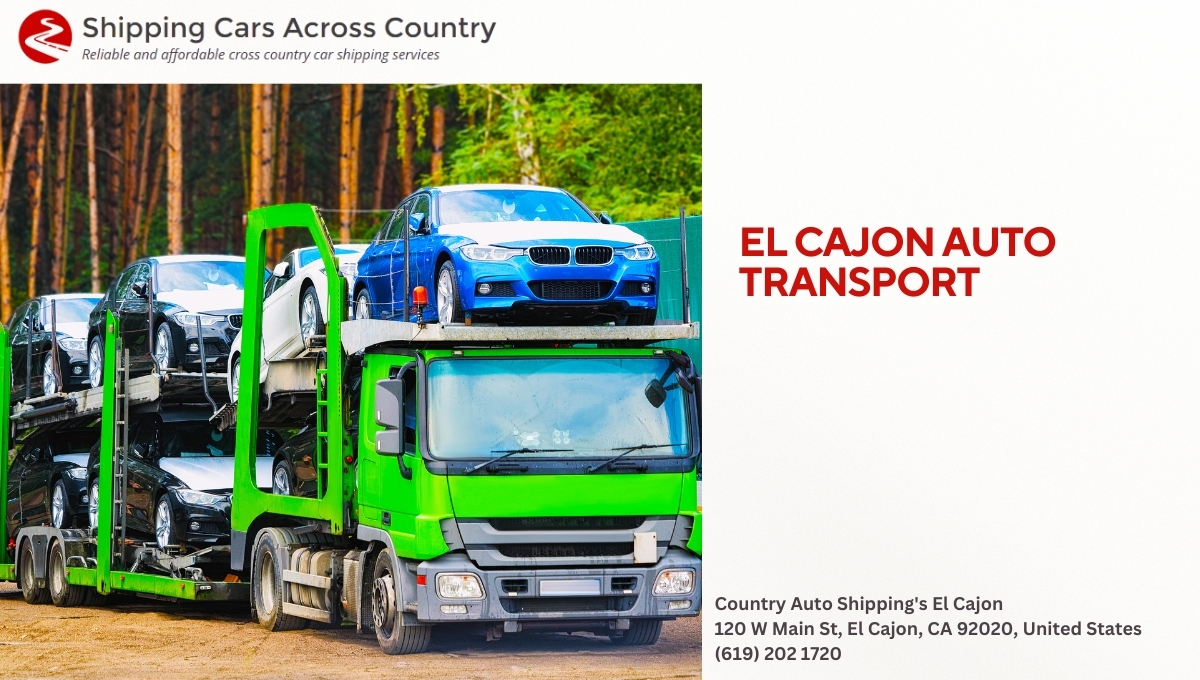
This is a deep dive into the coverage landscape around El Cajon car transport, what El Cajon car shippers typically provide, and the steps that put you in the strongest position if damage occurs. Think of it as a practical map, not legal advice, and tailor it to your vehicle, route, and timeline.
What “carrier insurance” actually means
Most people hear a dispatcher say “We’re fully insured” and relax. The phrase sounds final, but it only signals that the motor carrier has a policy required by federal and state rules. It does not mean every scenario is covered or that a check arrives without a fight. In auto transport, the core policy is motor truck cargo insurance. This insurance covers the vehicles being transported when the carrier is legally liable for a loss, usually due to negligence, a covered accident, or specific perils listed in the policy.
The policy does not function like your personal auto insurance. There is no collision or comprehensive option you can tweak. Coverage is tied to the carrier’s operations and terms. Common gaps include weather events categorized as “acts of God,” road debris, mechanical or electrical failures not caused by the carrier, and personal items left in the vehicle. Every policy’s language varies, so you want proof of insurance and a certificate that clearly shows limits, deductibles, and effective dates. If a broker or driver resists sharing it, that is a red flag. Reputable El Cajon vehicle transport companies will send it promptly.
Limits, deductibles, and what your car is worth to the insurer
Coverage limits are often stated per truck or per incident. For open carriers hauling 6 to 10 vehicles, a cargo policy of 250,000 to 500,000 dollars is common. For enclosed carriers, 500,000 to 1,000,000 dollars appears more often because they move higher value inventory. Two details matter here. First, the policy may cap coverage per unit, so a truck with eight cars worth 60,000 dollars each may not have sufficient total limits to make everyone whole after a severe loss. Second, carriers carry deductibles, sometimes 2,500 to 5,000 dollars per claim. That deductible does not come out of your pocket directly, but it influences how aggressively an adjuster evaluates minor damage.
Your vehicle’s valuation in a claim usually follows actual cash value, not replacement cost. If you own a 2015 Tacoma with tasteful upgrades, do not expect the policy to value your suspension kit or aftermarket head unit unless you documented them and can prove their worth. Classic and exotic vehicles require special attention, and in many cases, shippers will ask for declared value or insist on enclosed transport with higher limits. I have seen a client with a 1969 Camaro assume a basic open carrier policy was enough. It technically was, but when a chain scuffed the paint down to primer in two spots, the payout was negotiated down to a used-car paint estimate, not a concours-level repaint. The difference was several thousand dollars and months of frustration.
What your personal auto policy usually does not cover
Most personal auto policies exclude coverage while the vehicle is being transported by a professional carrier, because it is not being driven on public roads by the insured. A few insurers offer endorsements or have lenient interpretations, but it is rare. Call your agent and ask in plain language: If my car is on a commercial car hauler and it is damaged in transit, does my policy pay? Get the answer in writing. If the answer is no, you will rely on the carrier’s cargo policy or a supplemental shipper’s interest policy you obtain yourself.
Glass coverage is worth a closer look. Windshield pitting from road grit is common on open carriers, and it often falls into gray territory. Carriers will argue it is road hazard not caused by negligence and deny it. Your own comprehensive coverage might step in, but only if it applies during commercial transport. Again, confirm in writing.
Open vs. enclosed transport and how it affects risk
El Cajon car transport options break down into open and enclosed carriers. Open carriers dominate the market and cost less, sometimes 30 to 50 percent cheaper depending on the route and season. They expose vehicles to weather, dust, and road debris. Most trips end without incident, but the odds of minor cosmetic damage are simply higher, especially during Santa Ana winds or winter storms east of the mountains.
Enclosed carriers reduce exposure and often use soft straps or wheel nets instead of chains. They carry higher cargo limits and cater to higher value vehicles. Delivery windows can be tighter and drivers more experienced in handling low-clearance cars. If you are shipping a daily driver Civic to Arizona, open transport is sensible. If you are moving a fresh paint job or a low-run Porsche, enclosed is insurance in practice, not a line item in a policy. Each time a client chooses enclosed, they call later to say they slept better.
Brokers, carriers, and who actually holds the insurance
In the El Cajon vehicle transport market, most bookings happen through brokers. They line up the job, collect a fee, and assign a licensed motor carrier for the pickup. The broker should vet the carrier’s insurance, but you cannot outsource your due diligence. Ask for the carrier’s name, MC and USDOT numbers, plus an insurance certificate listing the cargo insurer, limits, and expiration date. Verify the details on the Federal Motor Carrier Safety Administration’s SAFER website. A polished local website and friendly dispatcher matter less than a valid, current policy with sufficient limits.
If you want added security, ask the broker to add you as a certificate holder. That way, you receive a direct notice of cancellation or policy changes. In practice, it does not give you additional rights, but it reduces the risk that you are relying on outdated documents.
The Bill of Lading and why it is your strongest tool
The Bill of Lading, often called the BOL, functions as both the receipt and the condition report. Its pre-load inspection section is the baseline for any claim. Drivers often complete it quickly, sometimes in dim light or with rain spotted panels. Slow the process. It is your car. Walk the vehicle together, panel by panel, with your own flashlight if needed. Photograph each side, the roof, and the bumpers. Shoot the odometer and VIN plate for completeness. If the driver notes “Good condition except minor scratches,” ask to specify locations. Vague notes hurt you later.
When the car arrives, do the same slow walk with the drop-off driver. Dirt hides swirl marks and small dings, so keep a microfiber towel and a water bottle handy to wipe areas you suspect. If something seems off, write it on the BOL before you sign. Not after the driver leaves. Not in a text the next day. The note could be as simple as “New scratch on left rear door, approx. 2 inches.” Back it with photos and a timestamp. This single habit determines whether carriers take your claim seriously.
Common exclusions that surprise owners
Policies differ, but across dozens of El Cajon car shippers, the same exclusions pop up again and again. Personal items inside the car are almost never covered. If you pack boxes in the trunk or tools in the back seat, you accept the risk. Carriers are not licensed or insured to move household goods, and the added weight can violate weight limits. Alarm systems that trigger during transport can drain a battery, and resulting electrical quirks are often denied as mechanical issues. Ground clearance matters as well. If your vehicle sits very low and the driver warns of loading risk, damage to the undercarriage may be excluded under a “shipper’s risk” note on the BOL if you insist on proceeding.
Leaking fluids from your vehicle that damage other vehicles on the trailer can create liability headaches. Conversely, if another vehicle above yours leaks fluids onto your paint, carriers will sometimes dispute negligence. A good driver positions cars strategically to minimize this, and enclosed carriers use drip guards. Open carriers may not. If your car has a known oil leak, fix it before transport or disclose it fully and keep a record of that disclosure.
Seasonal and local risk factors around El Cajon
Routes in and out of El Cajon often run Interstate 8 through the mountains. In summer, heat can push road temperatures high, causing tire and strap issues if the driver is careless. In winter, wind gusts near Alpine can blow grit and small stones across open carriers. Weather itself typically falls under exclusions, but your preparation can blunt the risk. A clean, waxed surface sheds contaminants more easily. Folding mirrors in and disabling automatic pop-out door handles on some EVs prevents odd scuffs. If you ship during rainy weeks, ask for top-deck placement on an open carrier to avoid drip and splash from cars above, and expect to pay a bit more for the preference.
Staging areas also matter. Many pickups around El Cajon happen in retail parking lots or along wide streets like Broadway, because transport rigs struggle with tight residential turns. Plan a location with good lighting and space so you can inspect without rushing traffic. I have met drivers at the Parkway Plaza lot for this reason. The right setting makes a careful inspection possible.
Supplemental protection strategies beyond the carrier’s policy
If the carrier’s limits seem thin for your vehicle’s value, you have options. You can request a different carrier with higher limits, pay for enclosed transport, or purchase shipper’s interest coverage. Shipper’s interest policies act like an all-risk cargo policy for your single vehicle. They can be arranged through specialty insurers or sometimes through a broker. Prices vary, often a small percentage of the declared value. Read the fine print carefully. Some require you to pursue the carrier first, then pay the difference. Others pay you and subrogate against the carrier. For a vehicle valued over 75,000 dollars, I consider shipper’s interest a smart hedge, especially when the route crosses multiple weather systems.
Another layer is to line up a glass protection option if your personal policy allows it. Replacement costs for modern ADAS-equipped windshields can run 1,200 to 2,500 dollars with calibration. Carriers will not cover road grit pitting, and the fight over “pre-existing” vs. “in-transit” chips is rarely worth your energy. If you can get glass coverage in place that clearly applies during transport, do it.
Exactly what to do before pickup
Preparation is not glamorous, but it is decisive. Empty the vehicle of personal items, toll tags, gate remotes, and valuables. Leave only basic tools, a spare tire, and the registration. Take out E-ZPass or FasTrak transponders so you do not get billed as the truck passes under sensors. Wash the car, not for vanity, but to make flaws obvious. Photograph every panel in daylight, straight-on and at 45-degree angles. Include close-ups of existing chips and scuffs. Shoot the wheels and the roof. Snap the odometer and any warning lights. Note any aftermarket parts like splitters or diffusers that change clearance, and discuss loading ramps or boards if needed.
If your car sits low, bring spare blocks or ask the carrier in advance what ramp system they use. For long routes, leave a quarter tank of fuel, not more. It reduces weight and fire risk. For EVs, leave 30 to 60 percent battery so the driver can load and unload without range anxiety. Disable any motion sensors or transport mode features as the manufacturer recommends.
How claims actually unfold and how to keep leverage
If damage happens, breathe, document, and avoid antagonism. The driver is not the adjuster. Make sure the damage is written on the delivery BOL, take photos from multiple angles with context, and get the driver’s name and truck number. Notify the broker and carrier in writing within 24 hours. Carriers often require notice within a specific window, sometimes 24 to 72 hours. Ask for their claim procedure and the cargo insurer’s contact.
You will likely be asked for a repair estimate. Use a reputable local body shop, ideally one with transport claim experience. If the vehicle has PPF or ceramic coating, remind the shop to include removal and reapplication costs. Keep your tone professional. I have seen courtesy and precise documentation shorten claim cycles by weeks. If an adjuster stalls, a firm calendar nudge helps. “If I do not hear back by Friday, I will proceed with small claims filing” gets attention without theatrics. In California, small claims handles up to 12,500 dollars for individuals. For higher amounts, consider counsel, but weigh the legal cost against the likely recovery.
Real scenarios from El Cajon and what they teach
A Jeep owner shipped his lifted Wrangler from El Cajon to Reno. The top deck position seemed ideal. During a sudden squall east of El Centro, road debris struck the windshield. The carrier denied the claim, citing road hazard exclusion. The owner’s comprehensive policy covered glass with a 100 dollar deductible. He had confirmed coverage in writing beforehand, and the process took a week rather than a month.
A family moving from Rancho San Diego sent a nearly new minivan on an open carrier. The driver secured it with chains to the frame hooks, routine but tight. At delivery, the rear bumper had a crease where the chain had rubbed under tension. Photos at pickup showed no mark. The delivery BOL listed “new crease rear bumper.” The carrier’s insurer offered a blended paint repair quote. The owner insisted on bumper replacement using the manufacturer part and calibration for parking sensors. Because the documentation was clean and the estimate reasonable, the insurer agreed. The difference in that case was the written note on the BOL and timestamped photos backed by a measured estimate, not a padded one.
A classic BMW owner chose open transport to save about 500 dollars. The car arrived with a subtle paint haze across the hood, likely from drip and dust over a wet week. No direct impact,just enough to dull the finish. The cargo insurer denied it as environmental exposure. The owner ended up paying for a professional paint correction. He later told me, “I wish I had paid the extra for enclosed.” That is the calculus: spend a bit more upfront or accept a small but real risk of cosmetic issues that policies do not cover.
Working with El Cajon car shippers who do insurance right
Good operators talk about insurance without dodging questions. They explain their policy limits plainly, volunteer to send certificates, and specify what is excluded. They guide you through BOL inspections rather than rushing them. In El Cajon, several carriers operate out of broader San Diego hubs and pass through regularly. Scheduling is often the bigger challenge than coverage. Flexible pickup windows save money, but if you need tight timing, be prepared to pay for a dedicated spot and ask how delays affect liability and storage.
For brokers, look for those who vet carriers beyond the bare minimum. Ask how they handle a carrier cancellation in transit, whether they reassign to a carrier with equal or better insurance, and whether that requirement is in their dispatch instructions. A broker’s willingness to put those answers in writing is an indicator of accountability.
Special considerations for EVs and modified vehicles
Electric vehicles introduce nuances that do not fit older policy forms neatly. Battery thermal events are rare, yet carriers treat them seriously. Most cargo policies do not exclude EVs, but carriers may have internal protocols and require the SOC range at pickup. Damage claims that involve high-voltage components can escalate quickly, and insurers will push for dealer diagnostics. Keep your software updated and document the car’s status screen at pickup and delivery.
Modified vehicles complicate valuation and loading. Coilovers, lip kits, underbody trays, and oversized wheels all alter risk. El Cajon car transportation services If your suspension is set very low, arrange for a carrier with race ramps and confirm that in a text or email. If damage occurs during loading because the ramp angle was too steep, the insurer will ask whether the driver warned you or whether a “shipper’s risk” note appears on the BOL. I have had success getting claims paid by showing that the driver assured safe loading and used inadequate equipment. Your documented conversation becomes evidence.
Pricing signals that correlate with insurance quality
Cheap quotes can tempt anyone, but they often signal thin margins and carriers that cut corners. If one El Cajon car transport bid is 300 to 600 dollars lower than a cluster of others, ask what policy limits the assigned carrier usually carries. Bargain carriers sometimes run with the minimum required cargo policy and higher deductibles. If a route is undersold, drivers may rush to fill the trailer, shorten inspections, and pack cars tighter. These operational choices show up later in damage rates.
Mid-market pricing typically pairs with carriers who answer the phone, keep their policy current, and own better equipment. Enclosed transport pricing varies widely, but a properly insured enclosed carrier rarely sits at the rock-bottom end of quotes. When you compare, weigh policy limits, enclosed vs. open, and how the company handles documentation. The cheapest move is not always the least expensive once you add a repaint or wheel repair.
Two lean checklists for the moments that matter
Pre-pickup essentials:
- Wash and document: clear photos of every panel, wheels, roof, VIN, odometer, existing flaws. Remove items: personal belongings, toll tags, gate remotes, chargers not attached to the car. Prepare the vehicle: quarter tank of gas or 30 to 60 percent SOC for EVs, disable alarms and transport-sensitive features. Confirm paperwork: carrier’s insurance certificate, MC and USDOT numbers, and your pickup details. Loading plan: discuss clearance, ramps, and top-deck preference if relevant.
At delivery and claim starter steps:
- Inspect slowly: daylight if possible, wipe suspect spots, and compare to your pickup photos. Note issues on the BOL before signing, with simple descriptions. Photograph damage with context and angles, including wide shots. Notify broker and carrier in writing within 24 hours, request claim instructions. Obtain a repair estimate from a reputable shop and keep communication professional.
What peace of mind looks like in practice
True peace of mind is not an abstract promise in a brochure. It is a set of concrete habits that stack the odds in your favor. Choose a carrier with clear, sufficient cargo limits. Consider enclosed transport or shipper’s interest coverage for higher value vehicles. Control what you can control: a clean car, thorough photos, and a careful BOL. Verify insurance, not because you distrust everyone, but because you respect the process. When you do these things, El Cajon car transport becomes just another piece of the move rather than a roll of the dice.
The best outcomes I have seen share a pattern. The owner was organized yet flexible on timing. The broker matched them with a carrier whose equipment fit the vehicle’s profile. The pickup and delivery inspections were unhurried. And when a minor issue did occur, the documentation was in order, so the insurer processed the claim without drama. That is what you are aiming for: a boring story you barely remember, not a saga.
If you are weighing options right now, start with your vehicle’s value, your risk tolerance, and your schedule. Ask El Cajon car shippers for proof, not promises. A half hour spent on verification and preparation today is the cheapest insurance you can buy.
Contact Us
Country Auto Shipping's El Cajon
120 W Main St, El Cajon, CA 92020, United States
Phone: (619) 202 1720